12 min read
Cybersecurity Training Is for Everyone: Why Every Employee Needs to Understand Online Threats

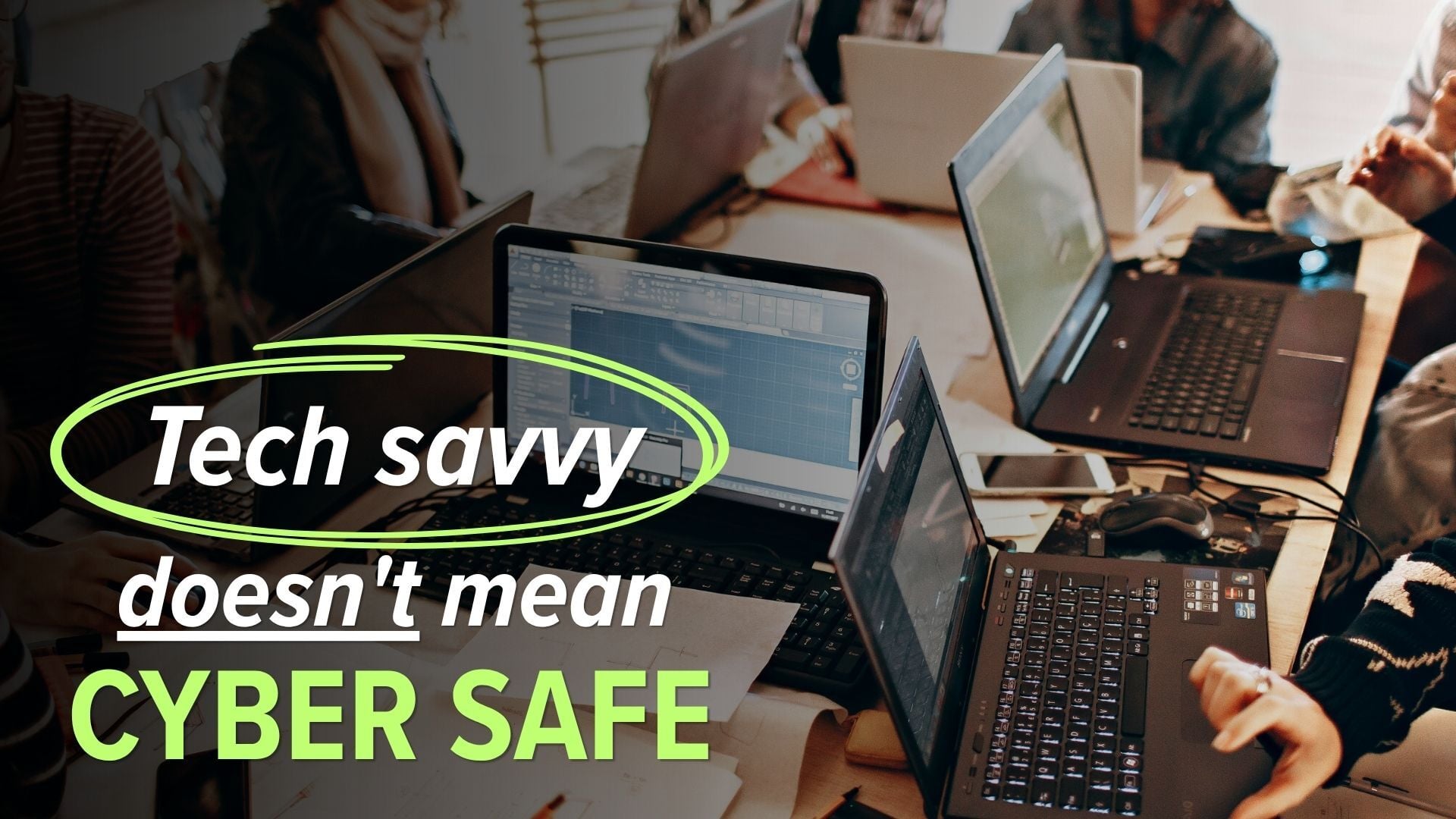
When businesses think about cybersecurity training, they often focus on employees who are less comfortable with technology.
It makes sense at first. Someone who struggles with computers might seem more likely to click a suspicious link, open a dangerous attachment, or fall for an online scam.
Meanwhile, younger employees who grew up with smartphones, social media, and constant internet access are often assumed to understand these risks already.
But there’s an important difference between knowing how to use technology and knowing how to use it securely.
Being comfortable with technology doesn’t automatically make someone cybersecurity aware.
An employee might be excellent at using cloud applications, managing multiple devices, and finding solutions to technical problems. That doesn’t mean they’ll recognize a carefully written phishing email or question an unexpected request to approve a login.
Cybercriminals understand this distinction.
They aren’t necessarily looking for the employee with the least technical knowledge. They’re looking for someone who can be convinced to make a mistake.
That person could be a new employee, an experienced manager, or even someone working in IT.
For small and medium-sized businesses, this creates an important challenge. Cybersecurity awareness can’t be limited to certain departments, age groups, or technical skill levels.
It needs to become something everyone understands and practises.
Let’s look at why this matters, how cybersecurity threats are changing, and what businesses can do to help employees make safer decisions.
1. Technology Experience Doesn’t Equal Cybersecurity Knowledge
Think about how much technology most people use during an average day.
They check emails, communicate through messaging applications, access online banking, use cloud storage, and sign in to dozens of websites and services.
Many employees can move between these applications without giving it much thought.
Younger workers, in particular, may have spent most of their lives using connected devices.
However, everyday technology experience doesn’t necessarily teach someone how cybercriminals operate.
For example, an employee might know exactly how to access their Microsoft 365 account from a mobile phone.
But would they recognize a fake Microsoft 365 login page?
Would they notice if a sign-in request appeared when they weren’t trying to access their account?
Would they understand why an unexpected request to reset their password should be treated carefully?
These are cybersecurity skills, not general technology skills.
The distinction matters because modern cyberattacks often rely on manipulating people rather than exploiting complicated technical weaknesses.
A criminal doesn’t always need to break into a computer system.
Sometimes they only need to persuade someone to provide their password or approve an authentication request.
Cybersecurity training helps employees recognize when ordinary technology interactions might actually be attempts to compromise business information.
And that knowledge is valuable regardless of someone’s age or experience.
2. Cybercriminals Target Human Behaviour
Businesses invest in firewalls, antivirus software, email filtering, and other security technologies to protect their systems.
These tools are important.
However, technology can’t prevent every suspicious message or fraudulent request from reaching an employee.
Cybercriminals often use a technique called social engineering.
Social engineering involves manipulating people into revealing information, providing access, or performing actions they wouldn’t normally consider safe.
Rather than attacking a system directly, the criminal attempts to influence the person using it.
Consider a few common examples.
Phishing Emails
An employee receives an email that appears to come from a familiar supplier.
The message explains that payment details have changed and asks the employee to update the supplier’s banking information.
The email might include the supplier’s logo, familiar wording, and references to a real business relationship.
If the employee accepts the message without verification, the business could send money to a criminal-controlled account.
Fake Login Pages
An employee receives a notification saying their Microsoft 365 password has expired.
The message includes a link to update it.
The website looks almost identical to a legitimate Microsoft sign-in page.
However, entering credentials could give attackers access to the employee’s account.
Fraudulent Authentication Requests
An employee receives an unexpected notification asking them to approve a login.
They may assume it’s related to an application running in the background.
If they approve the request without checking, they could unintentionally help someone access a protected account.
These examples demonstrate why cybersecurity awareness isn’t simply about identifying suspicious emails.
It’s about learning to question unexpected requests and understanding when additional verification is necessary.
Employees who are highly experienced with technology can still fall for these tactics.
In fact, confidence can sometimes make people less likely to stop and question something unusual.
The goal of cybersecurity training should be to encourage informed decisions rather than relying on assumptions about someone’s technical abilities.
3. Every Employee Has Different Cybersecurity Knowledge Gaps
One reason businesses shouldn’t limit cybersecurity training to particular employees is that security knowledge varies considerably.
An employee might be excellent at identifying phishing emails but have poor password habits.
Another person might use strong, unique passwords for every account but struggle to recognize fraudulent websites.
Someone else might understand both of those risks but regularly share confidential documents through unapproved applications.
Even experienced technology users can overlook important security practices.
For businesses, this means cybersecurity training should be designed around real workplace risks rather than assumptions about individual employees.
Password Security
Employees need to understand why reusing passwords is dangerous.
If the same password is used for several accounts, a breach involving one service could place other accounts at risk.
Password managers can help employees create and store strong, unique passwords without needing to memorize them all.
Multi-Factor Authentication
Multi-factor authentication, often called MFA, adds another layer of protection to accounts.
However, employees still need to understand how it works.
They should know that an unexpected authentication request may indicate someone is attempting to access their account.
They should also understand that they must never share authentication codes with someone claiming to provide technical support.
Information Handling
Employees should understand which types of business information are confidential and where that information can be stored.
This includes customer records, financial information, employee details, and internal business documents.
They should also know which tools are approved for sharing information.
Device Security
Employees who use laptops, smartphones, and tablets for work need to understand basic security practices.
These include keeping devices updated, using screen locks, and reporting lost or stolen equipment promptly.
The important point is that no single employee is likely to understand every cybersecurity risk automatically.
Training provides a consistent foundation that helps everyone work more securely.
4. Mobile Devices Have Changed Workplace Cybersecurity
Not long ago, much of an employee’s work happened on a desktop computer inside an office.
Today, employees may access business systems from almost anywhere.
They respond to emails while travelling, review documents on their phones, join meetings from home, and approve authentication requests between appointments.
This flexibility offers significant benefits.
However, it also creates new security challenges.
Mobile devices have smaller screens, which can make suspicious website addresses and email details more difficult to identify.
Employees may also be more distracted when using their phones.
Someone checking an email while walking between meetings may not examine it as carefully as they would while sitting at their desk.
Cybercriminals can take advantage of these situations.
QR Code Phishing
QR codes are now commonly used to share websites, payment information, and other online resources.
However, a malicious QR code can direct someone to a fraudulent website.
Because users often can’t easily see the destination before opening it, they may not recognize the danger.
Text Message Scams
Fraudulent text messages may claim that a delivery has failed, an account has been locked, or urgent action is required.
These messages can contain links designed to steal login credentials or financial information.
This type of attack is often called smishing, which combines SMS messaging with phishing.
Unsafe Application Downloads
Employees may install applications that promise to improve productivity or simplify routine tasks.
However, unapproved applications can introduce privacy and security risks, particularly when they request access to business accounts or information.
Lost or Stolen Devices
A lost smartphone or laptop can create a security risk if the device contains business information or provides access to company systems.
Encryption, strong device authentication, and remote management tools can help reduce these risks.
But employees still need to understand the importance of reporting missing devices immediately.
For businesses that support remote or hybrid work, cybersecurity training should reflect how employees actually use technology.
Training focused entirely on office computers may overlook many of the situations employees encounter every day.
5. Cybersecurity Training Needs to Include Management
Another common mistake is treating cybersecurity training as something intended primarily for frontline employees.
Managers, executives, and business owners sometimes receive less training because they’re busy or considered experienced enough to understand the risks.
However, leadership positions can be particularly attractive targets for cybercriminals.
Senior employees often have access to sensitive business information, financial systems, and important administrative functions.
They may also have the authority to approve payments or request changes to business processes.
That makes their accounts valuable.
One example is business email compromise, often shortened to BEC.
In these attacks, criminals attempt to impersonate trusted individuals or gain control of legitimate business email accounts.
They may then send messages requesting payments, confidential information, or changes to banking details.
Imagine an employee receives an email that appears to come from the company’s owner.
The message requests an urgent payment to a new supplier.
The employee recognizes the sender’s name and assumes the request is legitimate.
However, the message may have been sent from a compromised account or an address designed to resemble the real one.
Without proper verification procedures, the employee could unknowingly send money to a criminal.
This is why cybersecurity awareness needs to extend throughout the organization.
Business owners and managers should participate in training alongside their employees.
They should also demonstrate good security habits themselves.
When leadership takes cybersecurity seriously, employees are more likely to recognize its importance.
6. Training Should Focus on Real Situations, Not Just Rules
A cybersecurity policy is important, but simply giving employees a document to read isn’t enough.
People need to understand how security policies apply to situations they encounter during their normal work.
For example, telling employees not to click suspicious links is useful advice.
But what makes a link suspicious?
What should they do if a message appears to come from someone they trust?
How should they respond if a customer sends an unexpected attachment?
These questions are better addressed through practical examples.
Effective cybersecurity awareness training can include:
- Examples of fraudulent emails and websites.
- Guidance on identifying unusual authentication requests.
- Instructions for handling confidential business information.
- Examples of payment fraud and impersonation attempts.
- Safe practices for working remotely.
- Clear procedures for reporting suspicious activity.
- Guidance on using approved business applications.
Training should also account for the different responsibilities employees have.
Someone working in accounting may need additional guidance about payment fraud.
An employee in human resources may handle sensitive personal information.
A salesperson may frequently receive attachments and links from unfamiliar contacts.
While everyone needs a common understanding of cybersecurity, some roles involve additional risks.
Practical training helps employees recognize these risks in the context of their actual responsibilities.
7. Regular Cybersecurity Training Is More Effective Than a One-Time Session
Cybersecurity threats continue to change.
Criminals adapt their techniques as businesses introduce new technologies and improve their security measures.
A training session that was useful several years ago may not address the threats employees encounter today.
Consider how workplace technology has changed.
Cloud applications are now common.
Employees regularly authenticate through mobile devices.
Remote work has become part of normal business operations.
Artificial intelligence is making it easier to create realistic emails, messages, and other content.
These developments create new opportunities for cybercriminals.
Businesses should therefore treat cybersecurity awareness as an ongoing process rather than an annual task that gets forgotten.
Regular training doesn’t need to mean lengthy presentations.
Short, focused sessions can help reinforce important lessons.
For example, one session might explain how to recognize fraudulent authentication requests.
Another might discuss safe document sharing.
A third could focus on identifying suspicious payment instructions.
Some organizations also use simulated phishing exercises.
These send employees controlled examples of suspicious messages to help evaluate how they respond.
When managed appropriately, these exercises can highlight areas where additional education may be useful.
The purpose should be to improve awareness, not embarrass employees who make mistakes.
Cybersecurity training works best when employees understand that learning is more important than assigning blame.
8. Employees Need to Feel Comfortable Reporting Mistakes
One of the most valuable outcomes of cybersecurity awareness training is creating an environment where employees feel comfortable asking questions.
Imagine an employee receives an unusual email requesting confidential information.
They aren’t certain whether it’s legitimate.
If they feel comfortable contacting their IT support provider or manager, they can verify the message before responding.
That simple decision may prevent a security incident.
Now consider a different situation.
An employee clicks a suspicious link and realizes something might be wrong.
They become concerned that reporting the mistake will lead to criticism or disciplinary action.
Instead of notifying someone immediately, they decide to wait.
That delay could make the situation worse.
Early reporting gives an organization’s technology team a better opportunity to investigate and respond.
Depending on what happened, the response might involve securing an account, reviewing sign-in activity, changing credentials, or checking whether information was exposed.
Employees should understand that reporting a potential issue quickly is always better than trying to hide it.
Businesses can encourage this behaviour by establishing straightforward reporting procedures.
Employees should know whom to contact, what information to provide, and how to request assistance.
These procedures should be easy to follow, even when someone is working remotely.
A strong cybersecurity culture doesn’t expect employees to make perfect decisions.
It encourages them to recognize uncertainty and seek help when necessary.
9. Cybersecurity Awareness and Technical Protection Work Together
Employee training is an important part of business cybersecurity.
However, it shouldn’t be treated as a replacement for technical security controls.
Even well-trained employees can make mistakes.
A convincing phishing email might arrive during an unusually busy day.
Someone could accidentally approve an authentication request.
A malicious attachment might appear to come from a trusted business contact.
These situations are why businesses need multiple layers of protection.
This approach is often called defence in depth.
Rather than relying on a single security measure, defence in depth uses several controls that work together to reduce risk.
For small and medium-sized businesses, these controls may include:
- Multi-factor authentication: Helps protect accounts when passwords are compromised.
- Email security: Filters potentially harmful messages and attachments.
- Endpoint protection: Helps detect malicious activity on computers and other devices.
- Security updates: Address known weaknesses in operating systems and applications.
- Access controls: Limit employees’ access to the information and systems required for their roles.
- Data backups: Support recovery when information is lost, damaged, or affected by an attack.
- Monitoring and response: Help identify suspicious activity and support timely investigation.
Employee education supports these technical protections.
For example, an email filtering system may block many phishing attempts.
However, if a convincing fraudulent message reaches an employee, awareness training may help them recognize the warning signs.
Similarly, multi-factor authentication helps protect accounts, but employees must understand why unexpected authentication requests shouldn’t be approved.
Neither technology nor training can eliminate every cybersecurity risk.
Together, they provide stronger protection than either approach alone.
10. How Small and Medium-Sized Businesses Can Build a Cybersecurity Training Program
For smaller organizations, developing a cybersecurity awareness program can feel overwhelming.
Many businesses don’t have a dedicated internal cybersecurity department.
Technology responsibilities may be shared between employees, managers, and external IT providers.
However, building an effective program doesn’t necessarily require a complicated approach.
The first step is understanding how employees use technology.
Identify Common Risks
Consider which systems employees access and what information they handle.
Do employees regularly receive external attachments?
Do they approve financial transactions?
Do they work remotely?
Do they access business information from mobile devices?
These questions help identify which security topics should receive the most attention.
Establish Clear Expectations
Employees should understand the organization’s basic cybersecurity requirements.
These might include using approved software, enabling multi-factor authentication, protecting confidential information, and reporting suspicious activity.
Policies should be written clearly and made accessible to everyone.
Provide Training During Onboarding
New employees should receive cybersecurity guidance as part of their introduction to the business.
This helps establish expectations before they begin regularly accessing company systems.
It also ensures that people joining the organization don’t have to learn security practices through trial and error.
Schedule Regular Refresher Training
Security awareness should be reinforced throughout the year.
Short training sessions, reminders, and practical examples can help employees remember important information.
Training should also be updated when new risks emerge or business technology changes.
Make Reporting Simple
Employees need an obvious way to report suspicious messages, unexpected authentication requests, and other potential security incidents.
They should know who to contact and understand that timely reporting is encouraged.
Review and Improve the Program
Businesses should periodically evaluate whether their training is helping employees make safer decisions.
This might involve reviewing reported incidents, assessing common questions, or identifying trends from training exercises.
The goal is continuous improvement.
A training program should evolve alongside the business and the technology it uses.
11. Measuring Whether Cybersecurity Training Is Working
Providing cybersecurity training is one thing.
Understanding whether that training is effective is another.
Businesses sometimes measure success by tracking how many employees completed a training course.
While completion rates are useful, they don’t necessarily show whether employees understand what they’ve learned.
A more meaningful approach is to look at how cybersecurity awareness affects workplace behaviour.
For example, are employees reporting suspicious emails more frequently?
Are unexpected authentication requests being questioned?
Are staff following established procedures when handling sensitive information?
Are employees using approved tools rather than finding potentially unsafe alternatives?
These behaviours can provide valuable insight into the organization’s security culture.
Simulated phishing exercises may also help measure progress, although results should be interpreted carefully.
A single mistake during an exercise doesn’t necessarily indicate that an employee lacks cybersecurity knowledge.
Likewise, successfully identifying one suspicious message doesn’t guarantee they’ll recognize every future attack.
Training effectiveness should be assessed over time.
Businesses should look for patterns, identify common knowledge gaps, and use that information to improve future training.
It’s also important to remember that reporting more suspicious activity can be a positive sign.
An increase in reported emails doesn’t automatically mean the business is experiencing more attacks.
It may indicate that employees are becoming more confident about recognizing and reporting potential threats.
The most useful measurement is whether the business is developing safer habits and improving its ability to respond to cybersecurity risks.
12. Cybersecurity Awareness Is Everyone’s Responsibility
Cybersecurity is sometimes treated as the responsibility of the IT department or an external technology provider.
Those teams certainly play an important role.
They help maintain secure systems, manage technical protections, monitor potential threats, and respond when problems occur.
However, employees interact with business technology every day.
They receive messages, open documents, access accounts, and make decisions about sharing information.
Each of these activities creates opportunities to either strengthen or weaken an organization’s security.
That’s why cybersecurity awareness needs to become part of everyday business operations.
It shouldn’t depend on an employee’s age, job title, or level of technical confidence.
A younger employee who has used technology all their life still benefits from understanding modern cyber threats.
An experienced manager needs to recognize impersonation attempts and fraudulent payment requests.
A business owner should understand why security policies and reporting procedures matter.
And employees who aren’t especially comfortable with technology deserve training that helps them work confidently and securely.
The objective isn’t to turn every employee into a cybersecurity expert.
It’s to give everyone enough knowledge to recognize common warning signs, follow appropriate procedures, and understand when to ask for assistance.
A business becomes more resilient when employees know that cybersecurity is part of their role, regardless of their technical experience.
Final Thoughts: Cybersecurity Training Should Never Be Based on Assumptions
It’s easy to assume that someone who uses technology confidently also understands how to protect themselves online.
But the two skills aren’t the same.
Cybercriminals target people of all ages and experience levels.
They use realistic emails, fraudulent websites, impersonation tactics, and unexpected authentication requests to encourage mistakes.
As businesses become increasingly dependent on cloud applications, mobile devices, and remote access, these risks affect more employees than ever before.
Cybersecurity awareness training helps people understand what to watch for and how to respond.
However, effective training requires more than an occasional presentation.
It needs to be practical, regularly updated, and supported by clear policies and reliable technical protections.
Most importantly, it needs to include everyone.
The strongest cybersecurity culture isn’t one where employees never make mistakes. It’s one where people recognize potential threats, ask questions, and take appropriate action when something doesn’t seem right.
For small and medium-sized businesses, building that culture is an important part of protecting company information, maintaining customer trust, and reducing the likelihood of costly security incidents.
How Robertson Technology Group Can Help
At Robertson Technology Group, we help small and medium-sized businesses across Canada strengthen their cybersecurity and manage their technology with confidence. Based in Victoria, BC, we understand that businesses need practical security solutions that protect their operations without making everyday work unnecessarily complicated. Our managed IT services and cybersecurity solutions are designed around each organization’s specific needs, including security awareness, account protection, device management, and ongoing technical support. We work closely with businesses to identify potential risks, implement appropriate safeguards, and help employees understand the importance of secure technology practices. Whether your organization has five employees or 200, our goal is to provide reliable, personalized support that allows your team to focus on running the business. Contact Robertson Technology Group to learn how a proactive approach to IT management and cybersecurity can help protect your organization.
